How to Find the Best General Contractor for Your Home Renovation Project
Choosing the best contractor is critical for a successful home renovation. Home renovation clients must evaluate several factors, including expertise, credentials, and interpersonal skills. A thoroughly researched decision can eliminate unnecessary costs and ensure a more efficient process. However, working through the hiring process can be difficult. Which particular factors should one take into account? Which questions are most important during initial consultations? Recognizing these considerations can profoundly affect the remodeling journey.
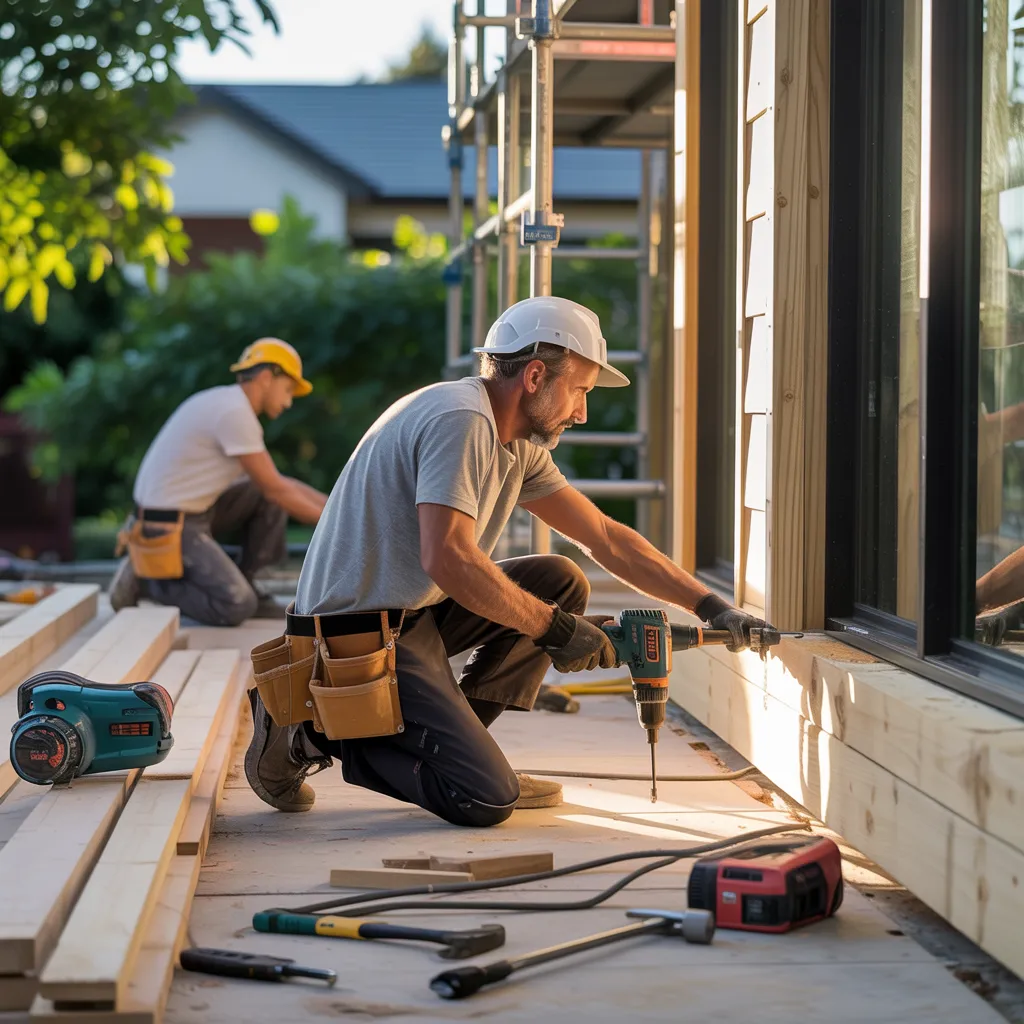
What Experience Should You Look For in a Contractor?
When hiring a general contractor for residential renovation, it is important to consider their review article professional background. A contractor's experience can significantly impact the efficiency and quality of the renovation process. To begin, potential clients should seek contractors with a proven track record in comparable projects, ensuring familiarity with unique challenges and proven solutions.
Furthermore, years of experience can indicate a contractor's skill in overseeing budgets, timelines, and subcontractors with efficiency. Asking to review their portfolio is also recommended, highlighting previous projects that match the homeowner's goals.
Furthermore, contractors who have experience with local construction codes and regulations can help prevent possible legal concerns. In closing, a contractor's capability to offer references from past clients can shed light on their credibility and expertise. By thoughtfully considering these criteria, homeowners can make a more informed decision when hiring a general contractor for their remodeling project.
How to Confirm a Contractor's Credentials and References
How can homeowners guarantee they are hiring a qualified contractor? Checking a contractor's credentials and references is a critical step. The first step for homeowners is to verify proper licensing and insurance, making sure the contractor adheres to local requirements. This can typically be done through state or local licensing boards. Moreover, ensuring the contractor holds liability insurance and worker's compensation coverage safeguards homeowners against potential liabilities.
Next, homeowners should seek references from former clients. A dependable contractor should provide a list of recent past projects, accompanied by contact information. Contacting previous clients can uncover meaningful insights about the contractor's commitment, communication skills, and ability to meet timelines.
Customer reviews and ratings available on platforms like Angie's List and Yelp may also supply valuable information. By performing comprehensive research and collecting various viewpoints, homeowners can make an informed decision, improving the chances of a successful remodeling project.
What Key Questions Should You Raise During the Initial Consultation?
Once confirming a contractor's qualifications and referrals, homeowners should get ready for the initial consultation by preparing specific questions. Important questions should focus on the contractor's expertise in similar jobs, including timelines and potential challenges. Homeowners should additionally inquire about the contractor's method of project coordination and updates, ensuring they will receive regular progress reports during the remodel.
Moreover, reviewing the contractor's preferred subcontractors can shed light on the level of expertise expected. It is essential to seek information on the permits needed and how the contractor manages inspections. Homeowners are encouraged to seek clarification on the billing timeline and any initial expenses involved. Understanding the contractor's warranty policies and how they handle arising problems post-completion is vital as well. By asking these targeted questions, homeowners can assess whether the contractor aligns with their vision and needs for the renovation project.
A Guide to Breaking Down Project Estimates and Contracts
Breaking down project estimates and contracts is vital for homeowners to grasp the financial aspects of their renovation. Key components such as timelines, labor, and materials have a direct impact in the overall cost. Moreover, understanding contract language ensures that all involved parties maintain a common understanding of obligations and expectations.
Key Estimate Components
Grasping the essential parts of project estimates is essential for homeowners embarking on renovations. A complete estimate commonly features workforce costs, materials pricing, and overhead charges. Workforce costs account for the wages for experienced workers, which can vary based on project complexity and experience. Materials pricing should itemize the quantity and grade of materials, allowing homeowners to assess overall worth and longevity. Operational charges, including insurance and permits, provide insight into the operational expenses of the contractor. Additionally, emergency funds are commonly factored in to cover unanticipated expenditures, ensuring a smoother renovation process. Property owners should also seek out a well-defined payment schedule and timeline to establish expectations. Analyzing these aspects allows homeowners make informed decisions and encourages open communication with their chosen contractor.
Contract Terms Clarified
A clear understanding of contract terms is crucial for homeowners managing renovation projects. Contracts typically outline the scope of work, payment schedules, and timelines, ensuring all parties are aligned. Homeowners should thoroughly scrutinize the itemized estimates, which break down costs for materials, labor, and permits, providing transparency. Key terms to consider include change orders, which detail how modifications to the project will be handled and priced. Additionally, homeowners should take note of warranty terms, which protect against defects in workmanship or materials. Grasping these components allows homeowners to make educated decisions and aids in avoiding conflicts or disputes throughout the renovation, ultimately leading to a smoother project experience. A solid understanding of contract terms is key to a productive working relationship with contractors.
Appreciating the Role of Communication Style With Your Contractor?
How well a homeowner communicates with their general contractor can significantly influence the outcome of a remodeling project. An effective communication approach fosters understanding and ensures that everyone involved is on the same page regarding expectations, timelines, and budgets. Homeowners should assess how contractors convey information, whether via emails, in-person meetings, or progress reports.
A contractor who listens actively and replies with care can help alleviate concerns and handle challenges in a timely manner. Furthermore, it is critical for homeowners to feel comfortable expressing their ideas and feedback. A clear line of communication facilitates collaboration, which can lead to better decision-making and innovative solutions.
When considering possible contractors, homeowners should reflect on how well they can take part in meaningful dialogue. This harmony in communication methods can significantly improve the entire remodeling experience, ensuring that the work moves forward efficiently and aligns with the homeowner's expectations. In the end, effective communication lays the groundwork for a thriving collaboration.
What Warning Signs Suggest a Contractor Isn't the Right Fit for You?
Spotting likely warning signs in a contractor is important for a satisfactory renovation. Vague communication methods and a absence of proper licensure can indicate deeper issues that may hinder the overall project. Property owners should stay alert to confirm they choose a trustworthy contractor for their project requirements.
Ambiguous Communication Practices
Strong communication stands as the backbone of all successful residential renovation projects. When evaluating a general contractor, vague communication patterns can reveal serious concerns. Red flags include inconsistent messaging, vague answers to inquiries, and difficulty in scheduling meetings. If a contractor frequently misunderstands project requirements or fails to provide updates, it raises concerns about their commitment and reliability. Additionally, a lack of transparency regarding timelines, costs, and processes can indicate disorganization or unprofessionalism. Professional contractors ought to be prepared to explain specifics and resolve issues in a timely manner. A contractor who avoids direct communication or dismisses questions may not prioritize the homeowner's interests, ultimately jeopardizing the project's success. Open dialogue is vital for establishing confidence and guaranteeing a seamless renovation process.
Failure to Obtain Proper Licensing
Open communication is critical when building a productive relationship with a general contractor, but it is also crucial to confirm that the contractor possesses the necessary credentials. Improper or missing licensing serves as an important red flag when evaluating potential contractors. Licensed contractors are generally required to adhere to specific state requirements, ensuring that they have the expertise and knowledge necessary to handle renovation projects safely and effectively. Homeowners are advised to verify a contractor's license through local regulatory authorities or online resources. Additionally, an unwillingness to share licensing information or insurance documentation may signal unprofessional behavior. Verifying that a contractor holds proper licensing not only protects the homeowner but also promotes the overall success of the remodeling project.
Frequently Asked Questions
How Do I Know if a Contractor Is Insured?
To determine if a contractor is insured, it is advisable to request documentation of insurance coverage, including liability insurance as well as workers' compensation. Verifying these documents guarantees that the contractor is financially responsible for any damages or accidents that may occur.
What Should I Do When a Contractor Misses Deadlines?
Should a contractor overlook scheduled deadlines, the property owner should voice concerns straightforwardly, examine the contract for relevant clauses, and keep thorough documentation of any delays. Seeking a resolution through discussion or mediation can aid in defining expectations and sustaining project momentum.
How Can I Handle Disputes With My Contractor?
To handle disagreements with a contractor, individuals should keep records of all communications, communicate concerns explicitly, and attempt to resolve issues through direct conversation. If unresolved, explore mediation or seek legal counsel to protect one's rights and interests.
What Specific Permits Are Required for My Renovation?
Specific permits for renovations depend on local regulations and project scope. Common requirements include building, electrical, plumbing, or zoning permits. Working with local authorities ensures compliance and prevents potential legal complications throughout the renovation process.
How Can I Protect My Home During Renovations?
To keep a home protected during renovation work, it is important to use floor coverings, seal off work areas, ensure adequate ventilation, protect valuable belongings, and maintain clear communication with contractors about safety protocols and project timelines to minimize disruptions.